
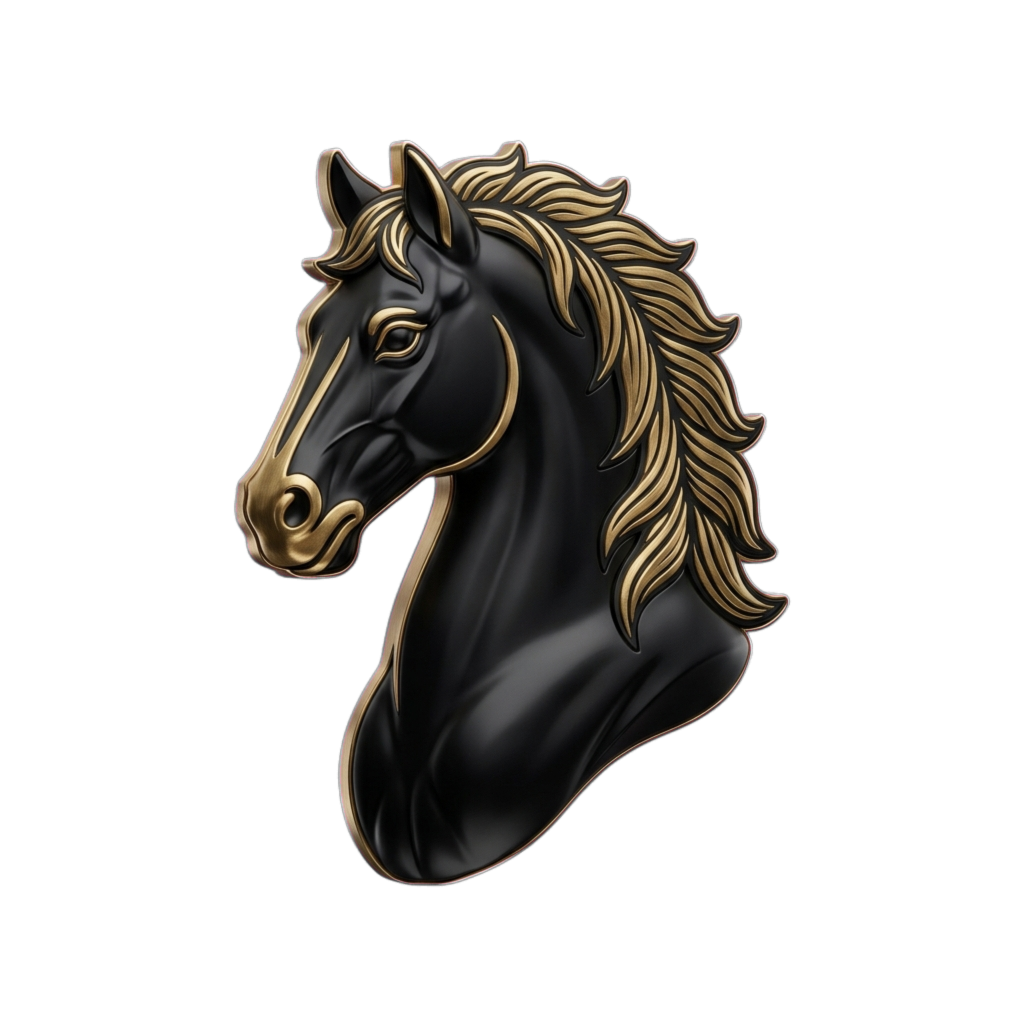

The Knight (often represented by a horse’s head and valued at 3 points) is the most unorthodox and tactical piece in chess. Unlike the linear, sliding pieces (Rooks, Bishops, and Queens), the Knight maneuvers in unpredictable L-shaped jumps.
Furthermore, the Knight possesses a unique superpower: it is the only piece on the board that can jump over other pieces.
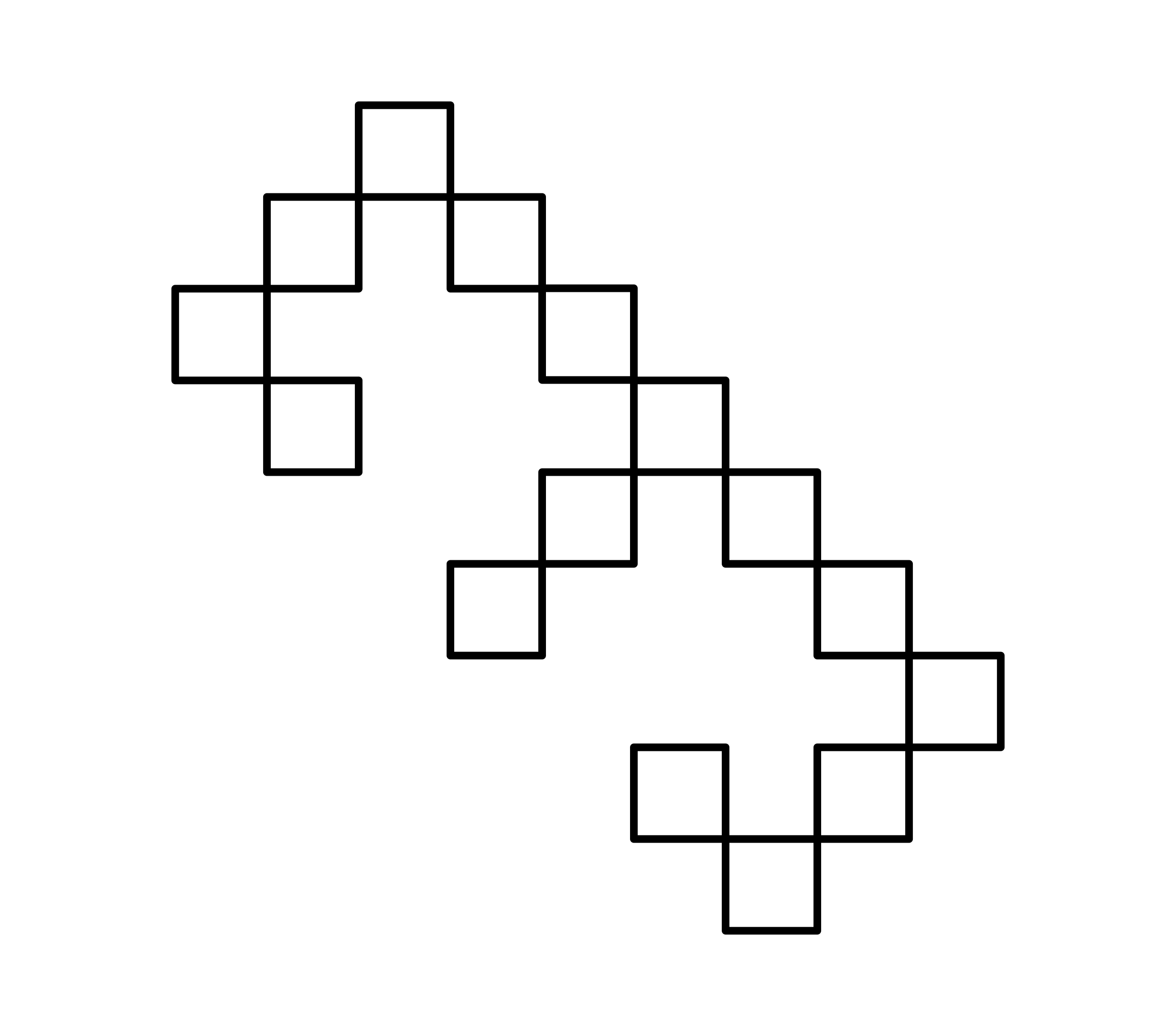
The L-Shape Geometry
A Knight’s move always consists of two steps:
- Two squares along a rank or file (straight in any direction: up, down, left, right), and then
- One square at a 90-degree right angle (perpendicular).
This produces 8 possible destination squares when placed in the center of the board.
       .  [d7]  .  [f7]  .
      [c6]  .   .   .  [g6]
       .    .  (♘)  .    .
      [c4]  .   .   .  [g4]
       .  [d3]  .  [f3]  .
The Color Alternation Rule
An invaluable tactical rule to remember is that the Knight always switches square colors on every single move:
- If your Knight starts on a light square, it will land on a dark square.
- If it starts on a dark square, it will land on a light square.
This property makes Knights lethal at attacking pieces of the same color that Bishops of one color cannot reach.
”Knights on the Rim are Dim”
Because Knights have a limited range compared to long-range Rooks and Bishops, centralization is critical:
| Knight Position | Controlled Squares | Effectiveness |
|---|---|---|
Center (e4, d5, e5, d4) | 8 squares | Maximum attack & defense |
Edge (a-file, h-file) | 4 squares | Weak; easily cornered |
Corner (a1, a8, h1, h8) | 2 squares | Paralyzed |
For experienced players
Because of their jumping ability and tricky geometry, Knights are the primary weapon for delivering Forks (attacking King and Queen at once) and Smothered Checkmates (mating a King boxed in by its own army).
See also:Fork·How the Bishop Moves·Board Setup