



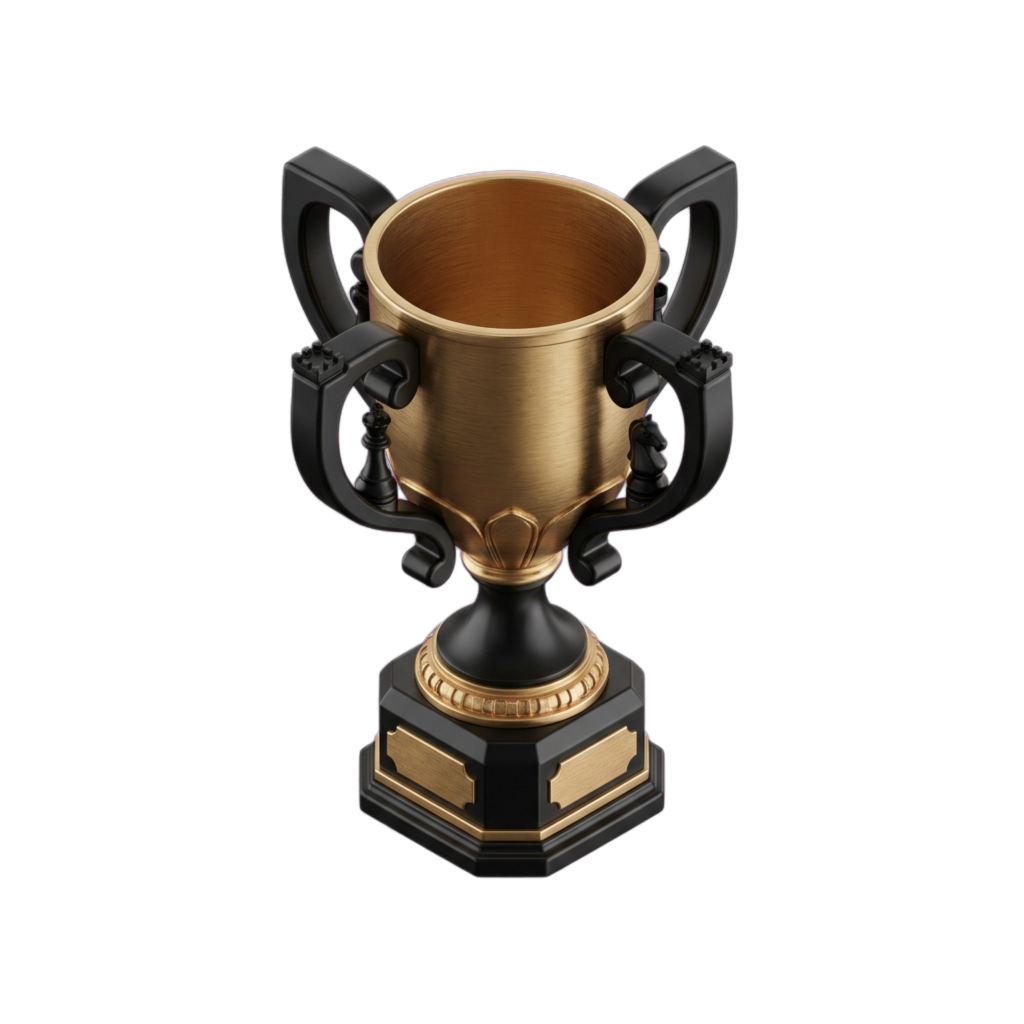


The Queen in Chess
The most powerful piece on the board. Combines the movements of the rook and bishop to deliver crushing attacks.
Physical Description & Anatomy
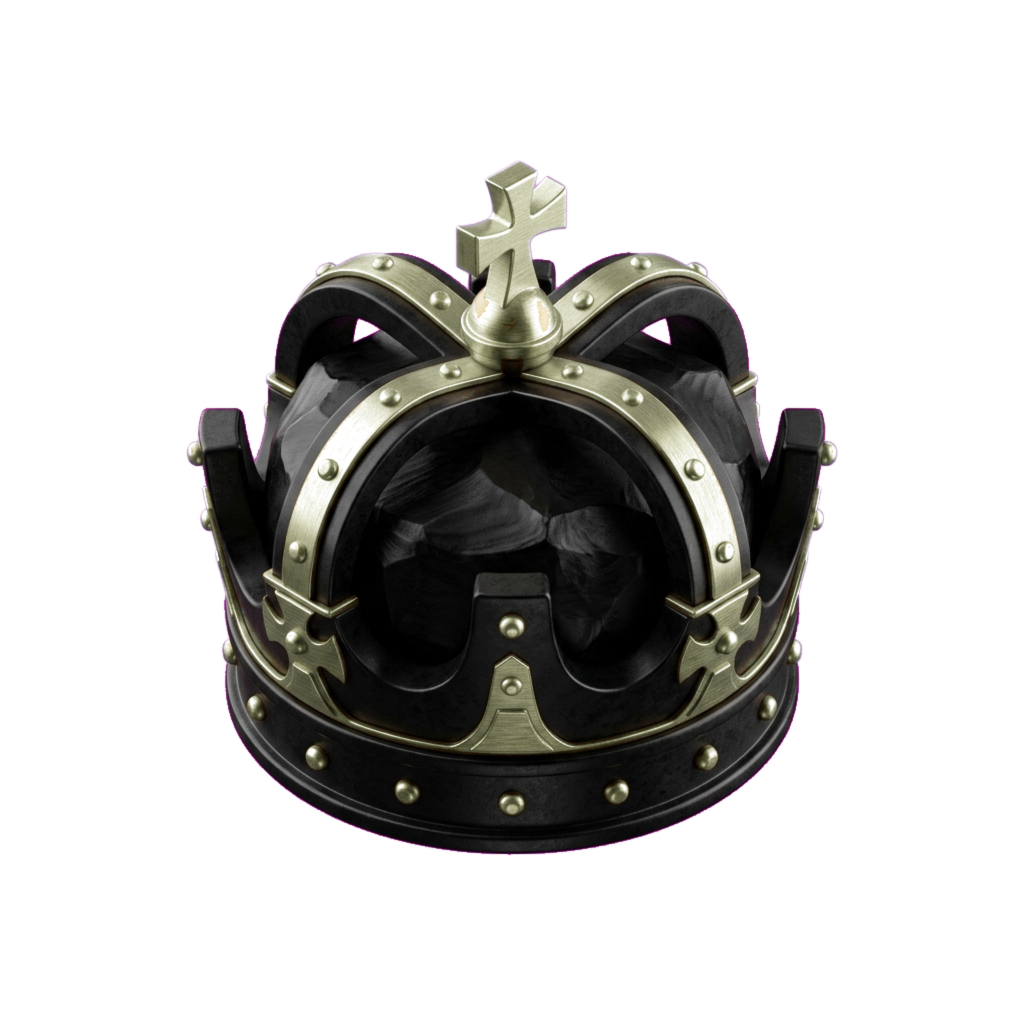
The second-tallest piece on the board, crowned with a distinctive coronet featuring a crenellated ring of sharp points or rounded crest balls surrounding a central sphere. Its elegant flared waist leads down to a wide, heavily weighted felt base, signifying its supreme tactical dominance.
Movement Rules & Strategic Value
Moves any number of unoccupied squares in any direction: horizontally, vertically, or diagonally.
The queen is your heavy striker. Able to move along rank, file, and diagonal alike, losing your queen without compensation is usually game-over.
All Queens Casualty & Lifespan Analytics
In Master play, pieces survive ~6 plies longer due to prophylactic defense and endgame conversions.
Frequently Asked Questions (Queen)
How does the queen move in chess?
The queen moves any number of unoccupied squares in any direction: horizontally, vertically, or diagonally. It combines the powers of both the rook and bishop and is worth 9 points.
Can a queen move like a knight?
No, the queen cannot make L-shaped jumps like a knight, nor can it jump over other pieces.
Can a king capture a queen in chess?
Yes, a king CAN capture an undefended queen if the queen moves directly adjacent to the king without protection. However, a king cannot capture a protected queen because that would place the king in check.
Individual Queen Guides (2 Starting Pieces)
White's supreme attacker. Stays central or swings out to h5, f3, or b3 to threaten checkmates, deliver pins, and win heavy material in open tactical games.
Black's supreme counter-attacker. Pinning White on a5, attacking b2 from b6, or coordinating lethal kingside breaks and queen batteries across the board.