



The King in Chess
The ultimate objective. Must be protected at all costs during the opening and middle-game, but becomes a strong active piece in the endgame.
Physical Description & Anatomy
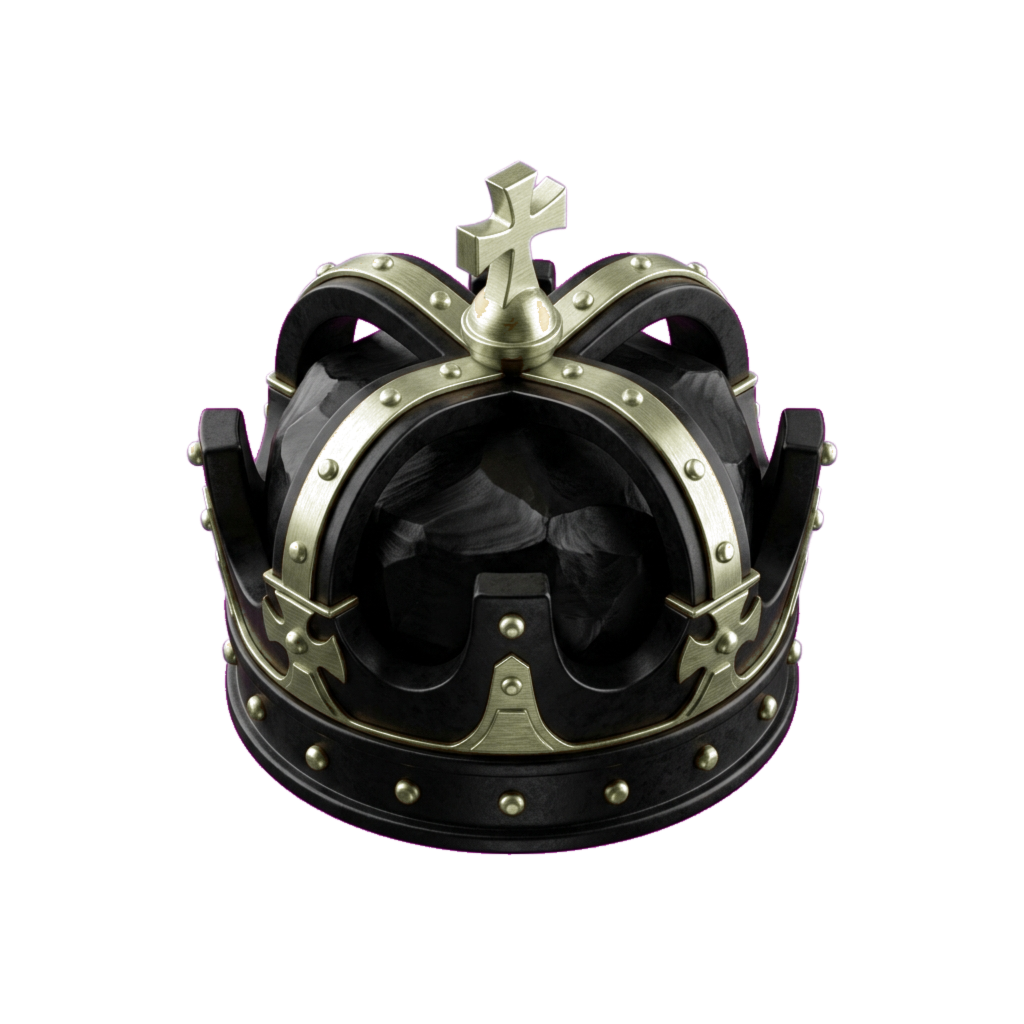
The tallest and most majestic piece in the Staunton set. Crowned by a prominent Christian cross mounted atop a regal arched cap. Its thick, stately stem features multiple decorative collar rings expanding into a wide, heavily lead-weighted base that gives the monarch commanding presence on the board.
Movement Rules & Strategic Value
Moves one square in any direction. Can execute castling once per game under valid conditions.
The entire game revolves around the king. If your king is checkmated, you lose. In the endgame when major pieces leave the board, the king transforms into an active attacking force.
All Kings Casualty & Lifespan Analytics
In Master play, pieces survive ~9 plies longer due to prophylactic defense and endgame conversions.
Frequently Asked Questions (King)
How does the king move in chess?
The king moves one square in any direction (horizontally, vertically, or diagonally). It cannot move onto a square controlled by an enemy piece.
What is castling in chess?
Castling is a special move involving the king and a rook. The king moves two squares toward a rook, and the rook hops over to land next to the king. Castling gets the king to safety and activates the rook.
What happens if a king is trapped and cannot move?
If the king is under attack and cannot escape, it is Checkmate (game over). If the king is NOT under attack but has no legal moves left, it is Stalemate (a draw).
Individual King Guides (2 Starting Pieces)
White's monarch. Must be sheltered via castling to g1 or c1 to avoid dangerous central pins, before becoming an active offensive piece in the endgame.
Black's monarch. Must be sheltered via kingside (O-O) or queenside (O-O-O) castling before becoming a centralized power piece in the chess endgame phase.