
Vote on Drop 002 Ballot — Lock in 32% Off
Control The Center
gambit intermediate dubious For black

Elephant Gambit

C40 Verified with Stockfish 18

Detonate the center on move two with 2...d5!? to drag 1.e4 players into chaotic, open-file blitz battles.

Moves: 1. e4 e5 2. Nf3 d5
Plain English: 1. White's pawn e2 → e4 1... Black's pawn e7 → e5 2. White's knight g1 → f3 2... Black's pawn d7 → d5

Opening

Elephant Gambit

Detonate the center on move two with 2...d5!? to drag 1.e4 players into chaotic, open-file blitz battles.

Starting position
White to move. White: Pawn on a2, Pawn on b2, Pawn on c2, Pawn on d2, Pawn on e2, Pawn on f2, Pawn on g2, Pawn on h2, Rook on a1, Knight on b1, Bishop on c1, Queen on d1, King on e1, Bishop on f1, Knight on g1, Rook on h1. Black: Rook on a8, Knight on b8, Bishop on c8, Queen on d8, King on e8, Bishop on f8, Knight on g8, Rook on h8, Pawn on a7, Pawn on b7, Pawn on c7, Pawn on d7, Pawn on e7, Pawn on f7, Pawn on g7, Pawn on h7.
Up next: 1. e4 · King's Pawn
Step 0 / 8
Notation Speak

Starting position — click Next or press → to inspect algebraic notation.

WHAT JUST HAPPENED

Starting position — click Next or press → to step through each move in Plain English.

Opening OverviewStep 0 / 8

Starting Position

Black prepares to detonate the center on move two with the Elephant Gambit.

Move History
Starting position
Collector Triptych PreviewECO C40
Elephant Gambit 3-panel collector triptych

Tip: drag pieces directly on the board, use ← → arrow keys, L to switch move language, or F for Focus View

Gambit & Trap Trainer
Move-by-Move Notation & Plain-English Transcript (Elephant Gambit) 2 Variations

1. Elephant Gambit Traps (Wasp 3...e4 & 4...Qg5! Raid)

  1. Start Starting Position

    Black prepares to detonate the center on move two with the Elephant Gambit.

  2. 1. e4 Pawn to e4 King's Pawn

    White's pawn moves from e2 to e4.

    White opens 1.e4.

  3. 1... e5 Pawn to e5 Open Game

    Black's pawn moves from e7 to e5.

    Black replies 1...e5.

  4. 2. Nf3 Knight to f3 Attacking e5

    White's knight moves from g1 to f3.

    White develops the king's knight, expecting 2...Nc6 or 2...Nf6.

  5. 2... d5!? Pawn to d5 The Elephant Gambit! (2...d5!?)

    Black's pawn moves from d7 to d5.

    Boom! Black strikes in the center with 2...d5!?, challenging e4 and opening lines for the queen and c8-bishop.

  6. 3. exd5 e-pawn takes d5 Branch A: White Captures d5 (3.exd5)

    White's pawn moves from e4 to d5, capturing Black's d5-pawn.

    White captures the d5-pawn, the most popular club response.

  7. 3... e4! Pawn to e4 The Wasp Variation (3...e4!)

    Black's pawn moves from e5 to e4.

    Black pushes 3...e4!, attacking White's f3-knight and seizing central space.

  8. 4. Nd4? Knight to d4 White's Knight Jump (4.Nd4?)

    White's knight moves from f3 to d4.

    Unprepared White players often leap to 4.Nd4? instead of pinning with 4.Qe2!.

  9. 4... Qxd5! Queen takes d5 Queen Centralizes with Tempo (4...Qxd5!)

    Black's queen moves from d8 to d5, capturing White's d5-pawn.

    Black recaptures on d5 with tempo against the d4-knight! After 5.Nb3 Nf6 6.Nc3 Qe5, Black has a dominant central queen and easy development.

  10. 3. Nxe5 Knight takes e5 Branch B: White Captures e5 (3.Nxe5)

    White's knight moves from f3 to e5, capturing Black's e5-pawn.

    What if White captures the e5-pawn with the knight instead?

  11. 3... dxe4 d-pawn takes e4 Black Takes e4 (3...dxe4)

    Black's pawn moves from d5 to e4, capturing White's e4-pawn.

    Black captures on e4, opening the d-file.

  12. 4. Bc4?! Bishop to c4 White Targets f7 (4.Bc4?!)

    White's light-squared bishop moves from f1 to c4.

    White develops 4.Bc4?! threatening 5.Nxf7 or 5.Bxf7+, thinking Black is on the defensive.

  13. 4... Qg5! Queen to g5 The Queen Counter-Strike! (4...Qg5!)

    Black's queen moves from d8 to g5.

    Brilliant! Just like the Blackburne Shilling Gambit, 4...Qg5! forks White's e5-knight and g2-pawn!

  14. 5. Bxf7+ Bishop takes f7, check White Checks on f7 (5.Bxf7+)

    White's light-squared bishop moves from c4 to f7, capturing Black's f7-pawn and putting the king in check.

    If 5.Nxf7?? Qxg2 wins White's rook. White tries 5.Bxf7+ instead.

  15. 5... Ke7 King to e7 King Steps Up (5...Ke7)

    Black's king moves from e8 to e7.

    Now both White's c4-bishop (on f7) and e5-knight are hanging!

  16. 6. d4 Pawn to d4 White Tries to Save the Piece (6.d4)

    White's pawn moves from d2 to d4.

    White opens the c1-bishop to defend e5.

  17. 6... Qxg2! Queen takes g2 Crashing Through on g2 (6...Qxg2!)

    Black's queen moves from g5 to g2, capturing White's g2-pawn.

    Black captures 6...Qxg2! After 7.Rf1 Bh3 8.Bc4 Nf6, White's kingside is in ruins (-1.50 for Black).

2. White's Refutation (3.Nxe5! Bd6 4.d4! & 4.Qe2!)

  1. Start Starting Position

    Learn the clean grandmaster antidotes to both 3.Nxe5 and 3.exd5.

  2. 1. e4 Pawn to e4 King's Pawn

    White's pawn moves from e2 to e4.

    White stakes a classical claim in the center and opens the f1-a6 diagonal for rapid kingside development.

  3. 1... e5 Pawn to e5 Open Game

    Black's pawn moves from e7 to e5.

    Black answers symmetrically to contest the d4-square and establish an open-game battleground.

  4. 2. Nf3 Knight to f3 Knight Out

    White's knight moves from g1 to f3.

    White develops the king's knight with tempo against e5, expecting a routine defender like 2...Nc6 or 2...Nf6 before Black springs the gambit.

  5. 2... d5 Pawn to d5 Elephant Gambit

    Black's pawn moves from d7 to d5.

    Black plays 2...d5!?.

  6. 3. exd5 e-pawn takes d5 Capturing d5 (3.exd5)

    White's pawn moves from e4 to d5, capturing Black's d5-pawn.

    White captures 3.exd5.

  7. 3... e4 Pawn to e4 Black Pushes 3...e4

    Black's pawn moves from e5 to e4.

    Black attacks the f3-knight.

  8. 4. Qe2! Queen to e2 Step 1: Pin the e-Pawn (4.Qe2!)

    White's queen moves from d1 to e2.

    The essential move! 4.Qe2! pins Black's e4-pawn to the e8-king so the f3-knight cannot be captured.

  9. 4... Nf6 Knight to f6 Black Unpins & Develops (4...Nf6)

    Black's knight moves from g8 to f6.

    Black develops 4...Nf6, defending e4 and threatening ...Qxd5.

  10. 5. d3! Pawn to d3 Step 2: Undermine e4 (5.d3!)

    White's pawn moves from d2 to d3.

    5.d3! attacks the pinned e4-pawn and opens the c1-bishop. After 5...Qxd5 6.Nbd2 Be7 7.dxe4, White is a clean central pawn ahead (+1.15)!

Executive Summary (TL;DR)

  • • The Elephant Gambit (1.e4 e5 2.Nf3 d5!?, ECO C40) is a bold central counter-gambit where Black immediately challenges White's e4-pawn and opens both bishop diagonals on move two.
  • • Divides into two dynamic weapons after 3.exd5: the Paulsen Variation (3...Bd6!?, sacrificing a pawn for rapid development) and the Wasp / Maróczy Variation (3...e4! 4.Qe2 Nf6).
  • • Sets deadly blitz traps against careless White players who grab both central pawns or allow Black's queen and bishops to line up against f2 and h2.
  • • Objectively refuted by either 3.Nxe5! Bd6 4.d4! (+1.10 with Stockfish 18) or 3.exd5 e4 4.Qe2 Nf6 5.d3! (+1.15), giving White a solid central superiority.
  • • Practiced in the 19th century by Louis Paulsen, Géza Maróczy, and Wilhelm Steinitz, and popular today as a surprise blitz weapon.

The Idea

Direct Answer (Elephant Gambit at a Glance):

  • Move Order: 1.e4 e5 2.Nf3 d5!? (ECO C40 — Queen’s Pawn Countergambit)
  • Main Variations: Wasp / Maróczy Variation (3.exd5 e4 4.Qe2 Nf6) and Paulsen Countergambit (3.exd5 Bd6!?).
  • Deadly Blitz Traps: Against 3.exd5 e4 4.Nd4?, Black plays 4...Qxd5! with tempo; against 3.Nxe5 dxe4 4.Bc4?!, Black unleashes 4...Qg5! (double-attacking e5 and g2).
  • White’s Stockfish 18 Refutation: White secures a +1.15 advantage with either 3.exd5 e4 4.Qe2! Nf6 5.d3! or 3.Nxe5! Bd6 4.d4! dxe4 5.Nc3.
MetricElephant Gambit Specification
Opening ClassificationECO C40 — King’s Knight Opening, Elephant Gambit
Signature Move Order1.e4 e5 2.Nf3 d5!?
Historical PioneersLouis Paulsen, Wilhelm Steinitz, & Géza Maróczy
Stockfish 18 Evaluation+1.15 for White (Depth 38 after 3.exd5 e4 4.Qe2! Nf6 5.d3!)
Human Blitz Win Rate52% Black Wins / 4% Draws / 44% White Wins (1000–1700 Elo)
Best White Refutation3.exd5 e4 4.Qe2! Nf6 5.d3! or 3.Nxe5! Bd6 4.d4!

The Elephant Gambit (1.e4 e5 2.Nf3 d5!?) is one of chess’s boldest shock weapons against 1.e4. On move two, when White develops 2.Nf3 expecting the routine 2...Nc6 (Italian/Ruy Lopez/Scotch) or 2...Nf6 (Petrov), Black blasts open the center with 2...d5!?.

Why is the Elephant Gambit so effective in rapid and blitz chess? Because it immediately forces White out of memorized opening systems and creates an open board where Black’s bishops (f8 and c8) and queen (d8) have unobstructed diagonals from move three.

Variation / BranchMove SequenceStrategic Outcome
🐝 The Wasp / Maróczy Line3.exd5 e4! 4.Qe2 Nf6 5.Nc3 Be7 6.Nxe4 O-ODynamic Gambit Play — Black regains d5 with rapid castling.
🐘 Paulsen Countergambit3.exd5 Bd6!? 4.Nc3 Nf6 5.Bb5+ c6 6.dxc6 bxc6Open-File Initiative — Similar to a reversed Danish/Evans Gambit.
💀 The 4.Bc4?! Qg5! Trap3.Nxe5 dxe4 4.Bc4?! Qg5! 5.Bxf7+ Ke7 6.d4 Qxg2Black -1.50 Attack — Double attack on e5 and g2 wrecks White.
🛡️ White’s 4.Qe2! 5.d3! Antidote3.exd5 e4 4.Qe2! Nf6 5.d3! Qxd5 6.Nbd2 Be7 7.dxe4White +1.15 Edge — White wins a clean central pawn safely.
🧱 White’s 3.Nxe5! 4.d4! Clamp3.Nxe5! Bd6 4.d4! dxe4 5.Nc3 Bxe5 6.dxe5 Qxd1+ 7.Kxd1White +1.10 Endgame — White’s bishop pair and e5 pawn dominate.

Core Variations & Blitz Traps of the Elephant Gambit

1. The Wasp / Maróczy Variation (3.exd5 e4!)

When White captures on d5 (3.exd5), Black advances 3...e4!, attacking the f3 knight:

  • If White retreats 4.Nd4? or 4.Ng1?: Black recaptures 4...Qxd5! with tempo, centralizing the queen and seizing a comfortable game.
  • If White plays 4.Qe2! (Pinning e4): Black develops 4...Nf6! (never 4...Qe7? 5.Nd4!). If White tries to hold the extra pawn greedily with 5.Nc3 Be7 6.Nxe4 O-O! 7.c4?!, Black unleashes 7...Re8 8.d3 Bb4+ 9.Bd2 Nxe4 10.dxe4 Bxd2+ 11.Nxd2 f5!, ripping open the e-file against White’s uncastled king!

2. The Paulsen Countergambit (3.exd5 Bd6!?)

Favored by 19th-century legend Louis Paulsen, 3...Bd6!? is Black’s most venomous true gambit line:

  • Black leaves the d5 pawn completely untouched, protects e5, and prevents White from playing Qe2.
  • If White tries to hang onto the extra pawn with 4.c4?, Black plays 4...e4! 5.Nd4 Nf6 6.Nc3 O-O 7.Be2 Be5! 8.Nc2 c6!, where White’s dark squares are swiss cheese and Black’s pieces swarm the center.

3. The 3.Nxe5 dxe4 4.Bc4?! Qg5! Ambush

When White captures 3.Nxe5 and Black replies 3...dxe4, thousands of Italian Game players automatically play 4.Bc4?!, eyeing f7:

  • Black punishes this instantly with 4...Qg5!—forking the undefended e5 knight and the g2 pawn!
  • If 5.Nxf7??, 5...Qxg2 6.Rf1 Bg4! wins on the spot.
  • If 5.Bxf7+ Ke7 6.d4 Qxg2 7.Rf1 Bh3! 8.Bc4 Nf6, Black threatens ...Qxf1+ and enjoys a winning attack.

How to Refute the Elephant Gambit as White (Stockfish 18 Guide)

Stockfish 18 demonstrates two clear, low-risk refutations for White depending on your style:

ApproachMove OrderStrategic PurposeStockfish 18 Eval
Tactical Refutation3.exd5 e4 4.Qe2! Nf6 5.d3!Pins e4 with the queen and undermines it immediately with 5.d3!.+1.15
Against Paulsen 3...Bd63.exd5 Bd6 4.d4! e4 5.Ne5!Strikes the center with 4.d4! and plants a dominant knight on e5.+1.20
Positional Refutation3.Nxe5! Bd6 4.d4! dxe4 5.Nc3Avoids 3...dxe4 4.Bc4?! tricks by playing 4.d4! first, securing the center.+1.10

⚡ Elephant Gambit Practice & Tactical Resources

Master central counter-gambits and e-file pin tactics across our interactive suite:

For experienced players

The Elephant Gambit is all about psychological momentum: on move two, White expects to be the attacker in 1.e4 e5, and 2...d5!? immediately flips the script. Against anyone who doesn’t know 4.Qe2! Nf6 5.d3!, Black’s bishops and queen take over the board.

See also:Stafford Gambit·Scandinavian Defense·Pin·Fork·Sacrifice

Frequently Asked Questions (Elephant Gambit)

What is the Elephant Gambit in chess?

The Elephant Gambit (officially classified as the Queen's Pawn Countergambit, ECO C40) begins with the moves 1.e4 e5 2.Nf3 d5!?. Rather than passively defending the e5-pawn with 2...Nc6 or 2...d6, Black strikes at the center immediately with the d-pawn.

Should White capture on d5 (3.exd5) or on e5 (3.Nxe5) against the Elephant Gambit?

Both captures are strong for White! 3.Nxe5! Bd6 4.d4! dxe4 5.Nc3 is the cleanest positional refutation (+1.10), keeping a stable central outpost. 3.exd5 enters sharper tactical lines where White also secures a +1.15 advantage with accurate play (3...e4 4.Qe2 Nf6 5.Nc3 or 5.d3).

What is the Wasp Variation (3.exd5 e4) of the Elephant Gambit?

In the Wasp or Maróczy Variation (1.e4 e5 2.Nf3 d5 3.exd5 e4!?), Black pushes past White's pawn to attack the f3-knight. If White retreats passively with 4.Ng1? or 4.Nd4?, Black recovers the d5-pawn with a huge lead in space; White must reply 4.Qe2! to pin the e4-pawn.

What is the Paulsen Countergambit (3.exd5 Bd6) in the Elephant Gambit?

Introduced by Louis Paulsen, 1.e4 e5 2.Nf3 d5 3.exd5 Bd6!? sacrifices the d5-pawn outright to protect e5, prevent White's Qe2 pin, and prepare ...Nf6, ...O-O, ...Bg4, and ...e4 with a dangerous kingside initiative.

What is the fatal trap if White plays 4.Qe2 Qe7? in the Wasp Variation?

After 1.e4 e5 2.Nf3 d5 3.exd5 e4 4.Qe2, if Black carelessly unpins with 4...Qe7? (instead of 4...Nf6!), White simply plays 5.Nd4! Nf6 6.Nc3, locking down the extra d5-pawn while Black's queen blocks the f8-bishop.

How do you trap White if White plays 3.Nxe5 dxe4 4.Bc4?!

If White plays 3.Nxe5 dxe4 4.Bc4?! aiming at f7, Black strikes back with 4...Qg5! (threatening both the e5-knight and g2-pawn, just like the Blackburne Shilling Gambit!). After 5.Bxf7+ Ke7 6.d4 Qxg2 7.Rf1 Bh3, Black obtains a ferocious attack.

Is the Elephant Gambit sound in tournament chess?

At master level in classical time controls, the Elephant Gambit is considered dubious (+1.10 for White) because White's central development is easy to coordinate. In blitz and club play under 1800 Elo, however, Black scores well over 52% due to its shock value on move two.

60 Verified Puzzles Free Interactive Pack

Master Elephant Gambit Tactics & Calculations

Drill 60 curated Elephant Gambit traps, critical tactical forks, and middlegame sacrifices with instant Stockfish board evaluation and refutations.

Solve 60 Elephant Gambit Puzzles

Famous Games

Rudolf Spielmann vs Géza Maróczy

Bad Aussee Thematic, 1932

Hungarian Grandmaster Géza Maróczy showcases the dynamic potential of the Elephant Gambit against legendary tactician Rudolf Spielmann.

PGN Game Record for Rudolf Spielmann vs Géza Maróczy
[Event "Bad Aussee Thematic"]
[Site "Bad Aussee AUT"]
[Date "1932.??.??"]
[White "Spielmann, Rudolf"]
[Black "Maroczy, Geza"]
[Result "0-1"]
[ECO "C40"]

1. e4 e5 2. Nf3 d5 3. exd5 e4 4. Qe2 Nf6 5. Nc3 Be7 6. Nxe4 O-O 7. d3 Nxd5 8. Qd1 Bg4 9. Be2 f5 10. Ng3 Nc6 11. O-O Bd6 0-1
Graffiti Spray Can Aerosol Badge Control The Center Collector Studio • ECO C40 (e4 e5 Nf3 d5)

Collect the Elephant Gambit Generative Art & Tournament Gear

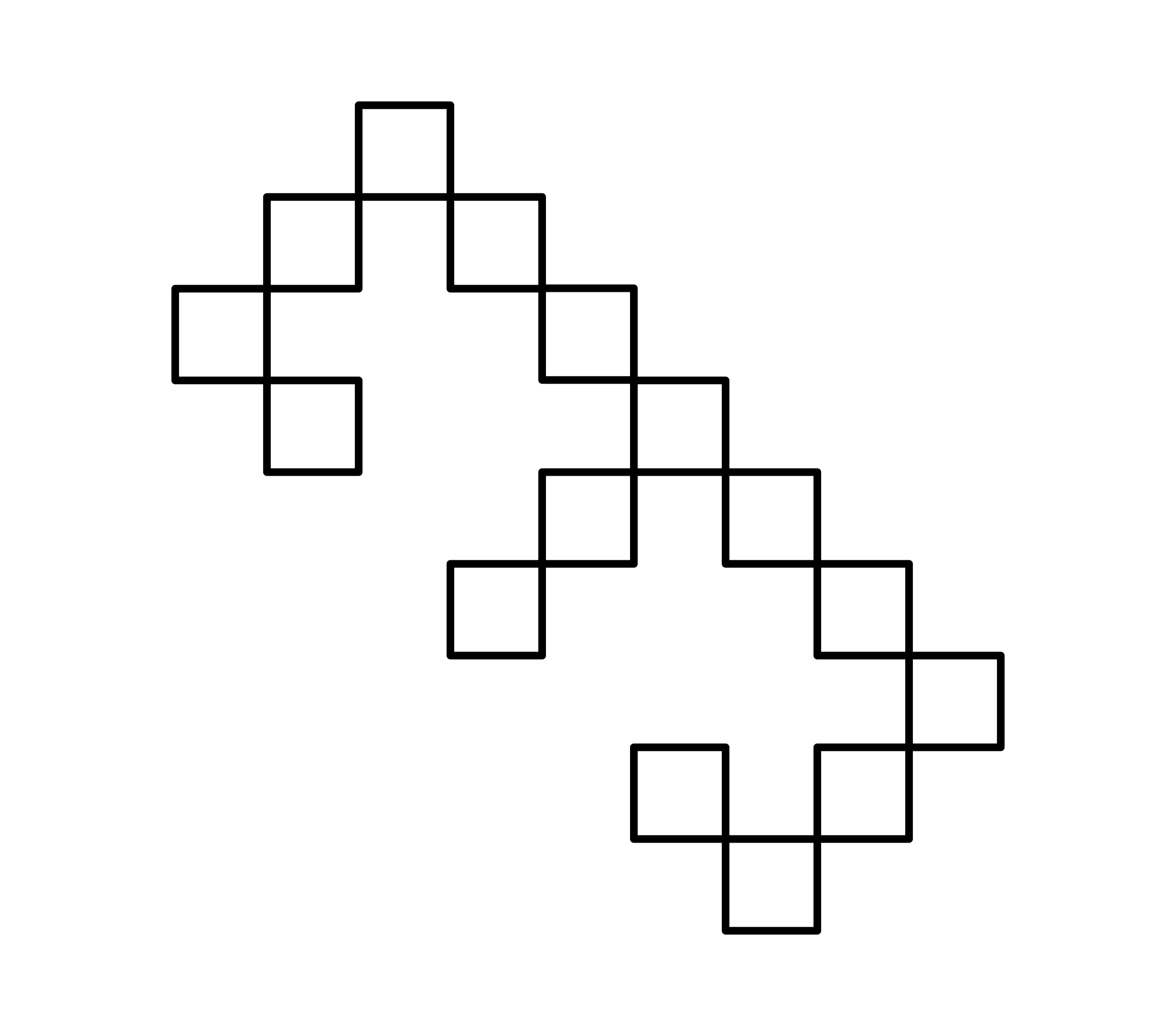
Every move of the Elephant Gambit generates a unique geometric vector signature. Explore museum-grade chess canvas prints, heavyweight repertoire streetwear, and USCF-regulation 2.25″ silicone study boards at ControlTheCenter.com.

Google Preferred Source

Follow Elephant Gambit & Opening Theory on Google

Add Control The Center as a preferred source on Google to see our interactive opening guides, Stockfish analysis, and tactical puzzles highlighted in Google Search.